

Alcoholic Anonymous Wednesday Night Rugby
We have all had to take the first step and walk through the door – You are not alone
Hibbert’s Hall, Rugby
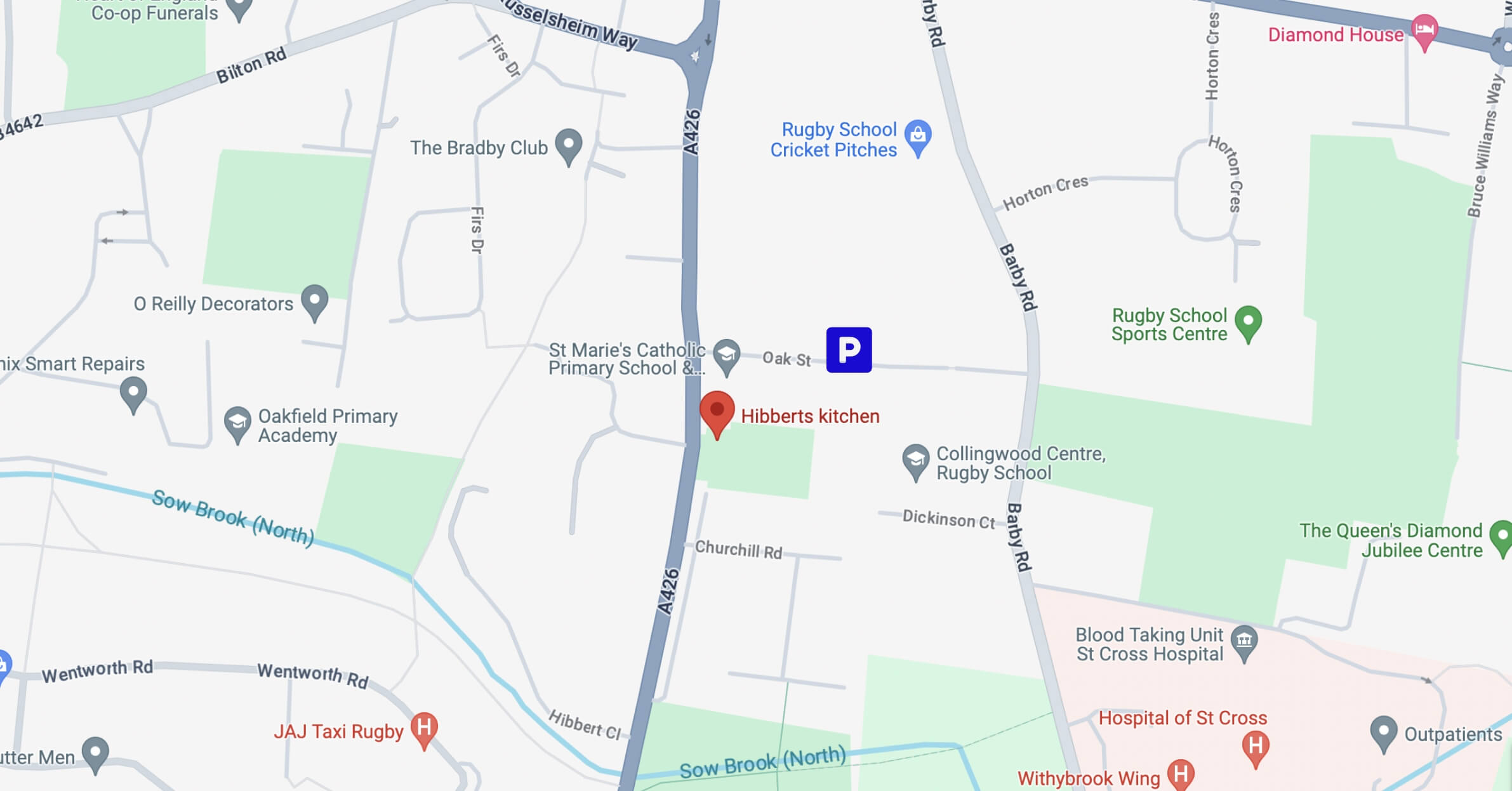
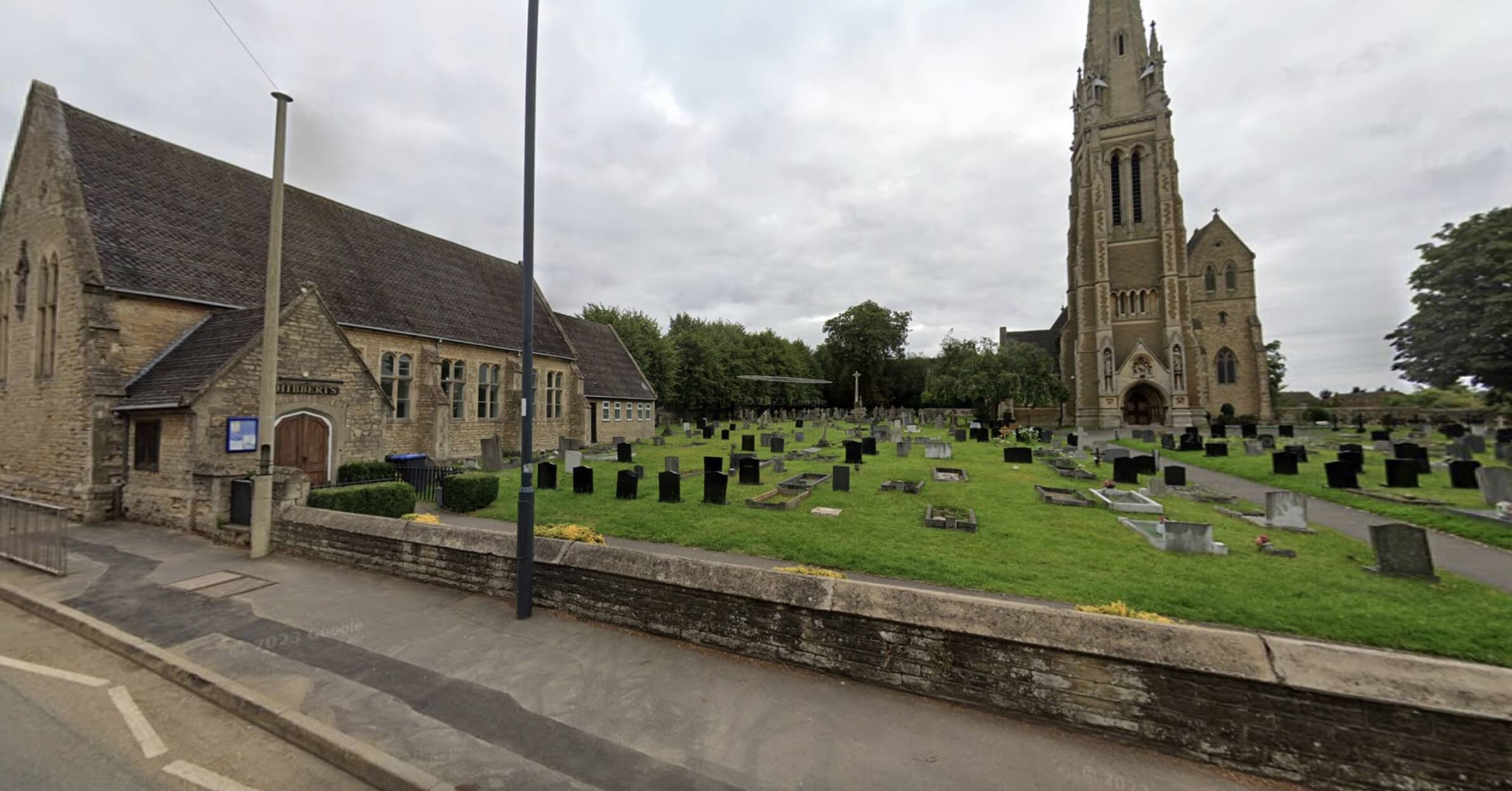
Location: St Marie’s Catholic Church,
Hibbert’s Hall,
Oak Street,
CV22 5EL
Start time: 20.00
Duration: 1 Hour
Open: ‘Open’ Meetings on request.
Disabled Access: Full wheelchair access.
Parking: Parking is available on Oak Street which is a 2 minute walk form Hibberts Hall.
Meeting Guide
– ALL meetings, unless otherwise stated, are ‘Closed’ meetings and restricted to alcoholics and those who have a desire to stop drinking.
– Open (O) AA Meetings are open to ALL who may or may not have an alcoholic problem.
– If you are getting in touch on behalf of a relative or a friend, please request an open (O) AA meeting at which you may stay and support.
– Online meetings are those which meet through electronic media, not in a physical place.
Open Meetings
- Open meetings are meetings that are open to anyone who is interested in learning about Alcoholics Anonymous or alcoholism, including individuals who may not have a drinking problem themselves.
- These meetings welcome not only alcoholics but also their families, friends, and anyone else who wants to understand alcoholism and the AA program.
- During open meetings, attendees may hear speakers share their personal experiences with alcoholism and recovery, as well as discussions about the AA program’s principles and steps.
- Open meetings serve as a way to educate the public about alcoholism and provide support to those affected by it, regardless of whether they are struggling with alcohol themselves.
Closed Meetings
- Closed meetings are reserved for individuals who have a desire to stop drinking and have acknowledged that they may have a problem with alcohol.
- Attendance at closed meetings is typically limited to alcoholics or individuals who think they may have a drinking problem and want help with recovery.
- These meetings provide a more intimate and confidential setting where attendees can share their experiences, struggles, and successes with others who understand what they are going through.
- Closed meetings often involve discussions about personal experiences with alcoholism, working through the 12 steps of recovery, and providing mutual support to one another in maintaining sobriety.
Is AA For You?
Try to answer honestly. See how you do. Remember, there is no disgrace in facing up to the fact that you have a problem.
Answer YES or NO to the following questions
-
Have you ever decided to stop drinking for a week or so, but only lasted for a couple of days?
Most of us in AA made all kinds of promises to ourselves and to our families. We could not keep them. Then we came to AA and AA said: “Just try not to drink today.”
(If you do not drink today, you cannot get drunk today.)
-
Do you wish people would mind their own business about your drinking and stop telling you what to do?
In AA we do not tell anyone to do anything. We just talk about our own drinking, the trouble we got into, and how we stopped. We will be glad to help you, if you want us to.
-
Have you ever switched from one kind of drink to another in the hope that this would keep you from getting drunk?
We tried all kinds of ways. We made our drinks weak. Or just drank beer. Or we did not drink spirits. Or only drank on weekends. You name it, we tried it. But if we drank anything with alcohol in it, we usually got drunk eventually.
-
Have you had to have a drink in the morning during the past year?
Do you need a drink to get started, or to stop shaking? This is a pretty sure sign that you are not drinking socially.
-
Do you envy people who can drink without getting into trouble?
At one time or another, most of us have wondered why we were not like most people, who really can take it or leave it.
-
Have you had problems connected with drinking during the past year?
Be honest! Doctors say that if you have a problem with alcohol and keep on drinking, it will get worse – never better. Eventually, you will die, or end up in an institution for the rest of your life. The only hope is to stop drinking.
-
Has your drinking caused trouble at home?
Before we came into AA, most of us said that it was the people or problems at home that made us drink. We could not see that our drinking just made everything worse. It never solved problems anywhere.
-
Do you ever try to get 'extra' drinks at a party because you do not get enough?
Most of us used to have a ‘few’ before we started out if we thought it was going to be that kind of party. If drinks were not served fast enough, we would go some place else to get more.
-
Do you tell yourself you can stop drinking any time you want to, even though you keep getting drunk when you don't mean to?
Many of us kidded ourselves into thinking that we drank because we wanted to. After we came to AA, we found out that once we started to drink, we couldn’t stop.
-
Have you missed days off work because of drinking?
Many of us admit now that we called in sick lots of times when the truth was that we were hung over or on a drunk.
-
Do you have blackouts?
A blackout is when there are drinking hours or days we cannot remember. When we came into AA, we found out that this is a pretty sure sign of alcoholic drinking.
-
Have you ever felt that your life would be better if you did not drink?
Many of us started to drink because drinking made life seem better, at least for a while. By the time we got into AA, we felt trapped. We were drinking to live and living to drink. We were sick and tired of being sick and tired.
Did you answer YES four times or more? If so, you are probably in trouble with alcohol. Why do we say this? Because thousands of people in AA have said so for many years. They found out the truth about themselves – the hard way.
Again, only you can decide whether you think AA is for you. Try to keep an open mind on the subject. If the answer is YES, we will be glad to show you how we stopped drinking ourselves.